Camping Supplies for Camping Safety

Safety should always be a top priority when heading out on a camping adventure, whether you’re a first-timer or a seasoned outdoor enthusiast. Amid the excitement of nature, it’s easy to overlook some basic but essential camping supplies. Proper preparation ensures not only comfort but also security during your stay in the wild.
Below is a carefully updated and structured checklist of must-have camping supplies to help you stay safe, prepared, and worry-free.
1. Navigation Tools: Map & Compass
Even in the age of GPS, having a physical map of the area and a traditional compass remains vital. Batteries die and mobile signals fade, especially in remote locations. Learn how to use your compass before you leave, and carry a laminated or waterproof map of the trails and campground for backup navigation.
2. Emergency Whistle
A whistle is one of the simplest yet most effective emergency tools. In case of injury, disorientation, or wildlife encounter, the high-pitched sound of a whistle can signal for help from far away. Many modern whistles come as combo tools with built-in LED lights or mini compasses—consider investing in a multifunctional one.
3. Safe Water Supply
Water safety cannot be overemphasised. Bring ample clean drinking water if you’re camping in an area without a verified potable water source. Even crystal-clear streams can contain bacteria or parasites. Alternatively, bring a reliable water purification system, such as a portable filter bottle, UV steriliser, or purification tablets. These are compact and lightweight, ideal for backpackers.
4. Nutritious Food and Backup Rations
Pack non-perishable, high-energy food options that are easy to cook or consume on the go—think dehydrated meals, protein bars, and canned goods. For longer trips, consider a portable camping stove or solar-powered cooker. Always bring extra food in case of delays due to weather or injury.
5. Sleeping Bag and Insulation
Your sleeping bag is more than just a bed—it’s critical for warmth and survival in low temperatures. Choose one rated for the lowest temperature you may encounter. Pair it with an insulated sleeping pad to prevent heat loss from the ground. Many modern pads are inflatable, ultralight, and compact.
6. Light Sources
A headlamp, flashlight, or LED lantern is a camping essential. For longer trips, solar-powered or USB-rechargeable options are both eco-friendly and convenient. If you’re setting up camp in a shared space or need hands-free ambient lighting, camping lanterns are especially useful for illuminating larger areas like tents or cooking zones. Don’t forget extra batteries or a portable power bank to keep your gear charged.
7. Fire Pits or Fire Starters
A reliable fire source is just as essential as a flashlight when spending time outdoors. Whether it’s for warmth, cooking, or simply creating a cozy atmosphere, fire plays a key role in the camping experience. Traditional fire-starting methods like waterproof matches or lighters are always good to have on hand. For added convenience, consider packing ready-to-use fire starter kits or kindling bundles. Outdoor portable fire pits, like those from Go Live Outdoor or similar, offer a practical and safe way to enjoy a campfire even in areas where ground fires aren’t allowed. These portable options are perfect for keeping things simple while still enjoying the warmth and glow of an evening fire.
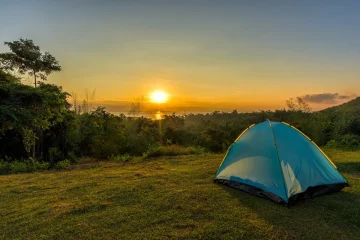
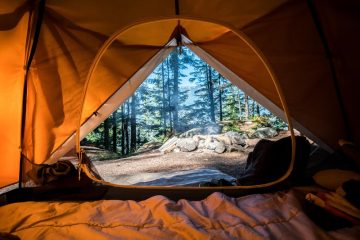
8. Durable, Waterproof Tent
A high-quality, waterproof tent is a must—even if clear skies are forecasted. Choose one with a rainfly, groundsheet, and ventilation flaps to prevent condensation. Newer designs often include blackout interiors for better sleep and quick-setup mechanisms for solo campers.
9. Sun Protection and First Aid Kit
A broad-spectrum sunscreen (SPF 30 or higher), lip balm with SPF, and a well-stocked first aid kit are indispensable. Include adhesive bandages, antiseptic wipes, tweezers, gauze pads, and medical tape. For added safety, include insect repellent and any allergy or prescription medications.
10. Appropriate Clothing and Weather Gear
Pack for layers. Even in warmer months, nighttime temperatures can drop significantly. Include:
- Moisture-wicking base layers
- Insulated jackets or hoodies
- Rain gear (poncho or waterproof jacket)
- Extra clean socks and underwear
- Gloves and beanie for colder nights
Make sure to store clothing in dry sacks or waterproof bags to prevent them from getting damp.
11. Arrive Early to Set Up Camp
Plan to arrive at your campsite with ample daylight to inspect the area and set up your gear. Look for flat, elevated ground to avoid flooding. Clear any debris like sharp stones or low-hanging branches, and identify safe zones for tents, cooking, and fires.
Avoid areas with signs of wildlife infestation like ant hills, wasp nests, or animal tracks. Always camp at least 200 feet away from water bodies to reduce the risk of flooding and wildlife encounters.
12. Safe Fire Practices
When building a fire:
- Ensure the fire is at least 15 feet away from tents and flammable items
- Use a designated fire ring or create a safe boundary with rocks
- Keep water and a shovel or soil nearby to extinguish the fire
- Never leave a fire unattended
- Fully extinguish all flames and embers before bed or departure
After the fire is out, the ground should be cool to the touch.
13. Leave No Trace
Respect nature and restore the campsite to its original condition. Pack out everything you bring in, including trash, leftover food, and gear. Avoid damaging trees or vegetation and stay on marked trails. Leaving the site better than you found it ensures it’s enjoyable for future campers too.
Frequently Asked Questions (FAQs)
1. Do I need a permit to camp in national parks or forests?
Yes, many national and state parks, forests, and protected areas require either a permit or a reservation for camping. Some sites offer free permits, while others charge a fee or have limited availability. Always check with the managing authority’s website before your trip to avoid issues.
2. Is it legal to start a campfire anywhere while camping?
No, you cannot start a campfire just anywhere. Fire restrictions are common, especially during dry seasons or in wildfire-prone areas. Always check local regulations before starting a fire. Use designated fire rings or bring a portable fire pit. In some locations, fire permits are required even for small campfires.
3. What should I do if I encounter a wild animal while camping?
Stay calm and avoid sudden movements. Do not run, and try to appear larger by raising your arms. Back away slowly while facing the animal. Never feed wild animals, and always store food in sealed containers or designated bear-proof lockers to avoid attracting them to your campsite.
4. How can I charge my phone or electronics while camping?
You can bring portable power banks, solar-powered chargers, or even compact solar generators to keep your devices powered. If you’re car camping, use a car charger with a USB or inverter connection. For longer stays, invest in a solar panel setup to stay charged sustainably.
5. What’s the best way to keep mosquitoes and insects away?
Use insect repellents with DEET or picaridin. Wear long-sleeved clothing and pants during peak mosquito activity (early morning and evening). Avoid camping near standing water and use citronella candles or coils. Mosquito nets over sleeping areas are also highly effective.
6. What are the best apps for planning and safety while camping?
Some of the most useful camping apps include:
- AllTrails for hiking routes and trail reviews
- Gaia GPS or onX Maps for offline navigation
- iOverlander to find campsites
- AccuWeather or Weather Underground for weather updates
- Red Cross First Aid for emergency guidance
Download offline maps in advance if you’re camping in areas with poor mobile coverage.
7. How do I maintain hygiene while camping?
Use biodegradable soap for washing dishes and yourself. Bring wet wipes, hand sanitiser, and a small trowel or portable toilet system for sanitary waste disposal. Pack out used hygiene products if trash facilities are not available. A solar shower bag or quick-dry towel can also help you stay clean.
8. What should I do if it starts raining heavily during my camping trip?
Ensure your tent is waterproof and set up on elevated ground. Use a rainfly and ground tarp to protect against flooding. Store gear inside dry bags or waterproof containers. Avoid camping under tall, isolated trees during storms and stay clear of riverbanks that may swell quickly.
9. Can I bring my pet while camping?
Yes, many campsites are pet-friendly, but always check their specific rules. Keep your pet on a leash, carry waste bags, and bring their food, water, and bedding. Be cautious about wildlife and ensure your pet doesn’t disturb other campers or natural habitats.
Final Tip: Preparation is everything when it comes to a safe and enjoyable camping trip. By packing smart, staying aware of your environment, and respecting the outdoors, you’ll create a memorable experience with nature while minimising risks.