Choosing the Right Treatment for the Time and Energy You Have
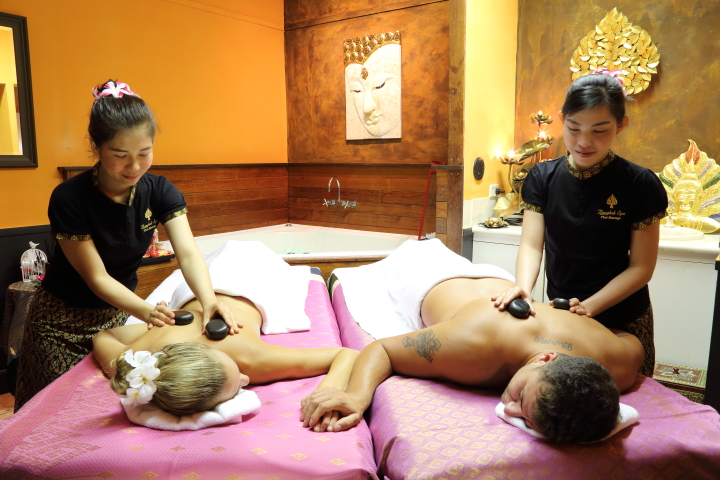
Spa menus can make every treatment sound equally suitable, yet the best choice depends on the body, schedule and reason for booking. Someone arranging a spa massage in Bangkok may have only an hour between meetings, a free afternoon after sightseeing or an entire evening reserved for rest. Those different situations call for different treatments and levels of intensity.
Length alone does not determine quality. A focused session can be more useful than a rushed full-body treatment, while a longer appointment works best when the guest has enough time to slow down.
Short Treatments Work Best With a Clear Focus
A shorter session is well suited to one priority, such as tired feet, tight shoulders or a stiff upper back.
Trying to cover every area in a limited appointment can leave the treatment feeling hurried. It is better to tell the therapist what matters most and allow enough time for that area.
Arrival time should be included in the plan. Consultation, changing and payment all take time, and a late arrival may reduce the treatment if another guest is booked afterwards.
A short massage can fit well into a busy day, but the guest should still provide relevant health information and discuss pressure.
Longer Sessions Need Comfort as Well as Time
A longer appointment allows the therapist to work at a slower pace and move through several areas without rushing.
This can suit guests who need time to relax or want a full-body experience. However, remaining in one position for a long period may be uncomfortable for people with back, neck or hip concerns.
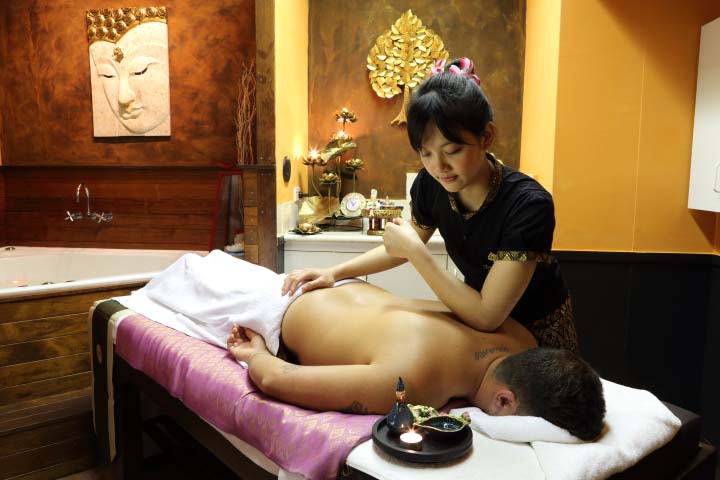
Position changes, extra support and bathroom breaks can be discussed. A long session should not require the guest to remain silent through discomfort simply because more time has been booked.
Those new to massage may prefer a moderate duration before committing to an extended treatment.
Choose Intensity Around the Rest of the Day
A gentle relaxation massage can fit well before dinner or an evening at the hotel. Firm bodywork may be less comfortable immediately before a long flight, intense workout or day of walking.
The body’s current condition matters. Sunburn, dehydration, illness and recent injury can all change how massage feels.
Guests should avoid using massage as a way to push through pain that needs medical assessment. The therapist can adapt pressure, but the treatment is not a substitute for diagnosis.
Allowing a little time afterwards to change, shower and leave calmly helps preserve the experience.
Ask What the Treatment Actually Includes
Names can be misleading. A treatment described as relaxing may still use firm pressure, while a traditional service may include stretching or movement.
Before booking, guests should ask whether oil is used, which areas are normally covered and whether the treatment can be adapted.
Therapist preference, privacy and draping can also be discussed in advance.
The right massage fits the day rather than competing with it. When the time available, desired pressure and surrounding plans are considered together, the treatment becomes part of a balanced itinerary instead of another appointment to rush through.