Cruise Ship Safety Measures Explained
What Makes Cruise Ships Safe?
Cruise ships are among the most regulated and safety-focused modes of travel. With thousands of passengers onboard, strict international standards ensure that every voyage prioritizes safety.
From advanced navigation systems to trained crew members, cruise lines implement multiple layers of protection to handle emergencies effectively.
International Safety Regulations
SOLAS Convention
The Safety of Life at Sea (SOLAS) treaty sets global standards for maritime safety. It governs:
- Ship construction and design
- Fire protection systems
- Life-saving equipment
- Emergency procedures
Maritime Authorities
Cruise ships must comply with regulations from:
- Flag state authorities
- Port state control inspections
- International maritime organizations
These bodies ensure ships meet strict safety compliance before and during operations.
Safety Equipment on Cruise Ships
Life-Saving Gear
Every ship is equipped with:
- Life jackets for all passengers
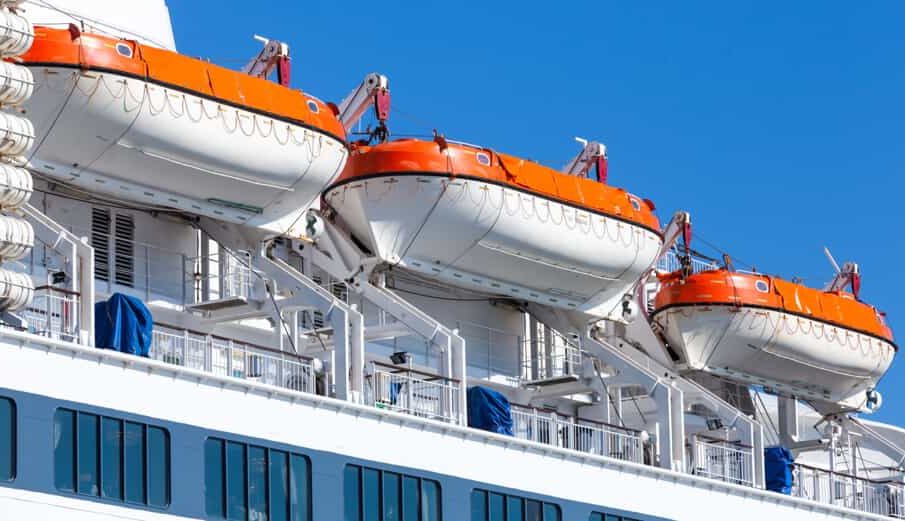
- Lifeboats with enough capacity for everyone onboard
- Life rafts as backup
Fire Safety Systems
Cruise ships use advanced fire prevention tools:
- Smoke detectors in all cabins
- Automatic sprinkler systems
- Fire-resistant materials
Navigation and Monitoring Systems
Modern ships rely on:
- GPS and radar systems
- Weather tracking technology
- Collision avoidance systems
These tools help crews make real-time decisions for safe navigation.
Mandatory Safety Drills
Muster Drill
Before departure, all passengers must attend a muster drill, which includes:
- Instructions on emergency procedures
- Location of lifeboats and assembly stations
- Demonstration of life jacket usage
This ensures that everyone knows what to do in case of an emergency.
Crew Training and Emergency Preparedness
Highly Trained Staff
Crew members undergo rigorous training in:
- Emergency evacuation
- First aid and medical response
- Firefighting techniques
Continuous Drills
Regular onboard drills prepare the crew for:
- Fire incidents
- Man-overboard situations
- Medical emergencies
Preparedness is key to quick and effective responses.
Medical Facilities Onboard
Cruise ships have fully equipped medical centers, often including:
- Doctors and nurses available 24/7
- Emergency care units
- Basic surgical capabilities
This ensures passengers receive immediate care when needed.
Security Measures on Cruise Ships
Passenger Screening
Before boarding, passengers go through:
- Luggage scanning
- Identity verification
Surveillance Systems
Ships are monitored using:
- CCTV cameras across public areas
- Security personnel on patrol
These measures help maintain a secure onboard environment.
Weather and Route Planning
Cruise lines use advanced forecasting tools to:
- Avoid storms and rough seas
- Adjust routes when necessary
- Ensure passenger comfort and safety
Captains have the authority to change itineraries if conditions become unsafe.
Emergency Response Systems
Alarm Systems
Ships have clear alarm signals for different emergencies.
Evacuation Plans
Detailed evacuation procedures include:
- Assigned lifeboat stations
- Organized boarding processes
- Crew assistance at every step
COVID-19 and Health Safety Enhancements
In recent years, cruise ships have strengthened health protocols:
- Enhanced sanitation procedures
- Air filtration systems
- Isolation cabins for medical cases
These measures aim to reduce the spread of illnesses onboard.
Common Myths About Cruise Ship Safety
- Myth: Cruise ships are unsafe during storms
Fact: Ships are built to withstand severe weather and avoid dangerous routes - Myth: There aren’t enough lifeboats
Fact: Regulations require lifeboat capacity for all passengers - Myth: Medical care is limited
Fact: Ships have well-equipped medical facilities
Tips for Passengers to Stay Safe
- Attend the muster drill seriously
- Follow crew instructions at all times
- Keep emergency contact information handy
- Avoid restricted areas
- Practice general travel safety awareness
FAQs
1. Are cruise ships safer than airplanes?
Both are extremely safe, but cruise ships have extensive safety systems and trained crews for emergencies.
2. What happens if someone falls overboard?
Ships have man-overboard detection systems and immediate rescue protocols.
3. How often are cruise ships inspected?
They undergo regular inspections by international and port authorities.
4. Can cruise ships handle hurricanes?
Ships avoid hurricanes by changing routes and monitoring weather conditions.
5. Is there enough food and water in emergencies?
Yes, ships carry sufficient supplies for extended periods.
6. Do cruise ships have jail facilities?
Yes, most ships have small holding areas for security-related incidents.
7. What should I do in an emergency onboard?
Stay calm, follow crew instructions, and proceed to your designated muster station.