How to Plan a Scuba Diving Vacation: Tips for Travelers
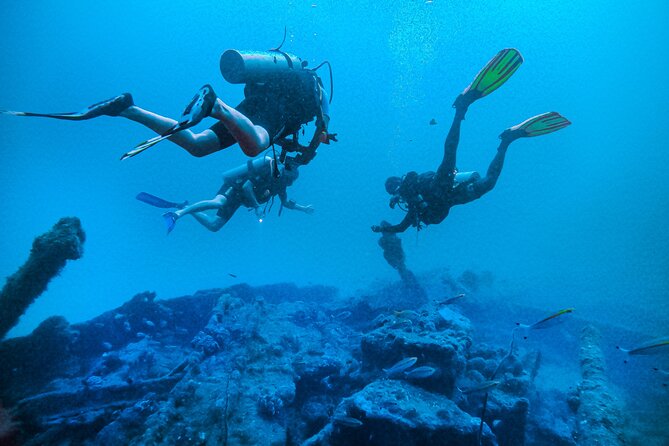
Scuba diving opens a door to an underwater world teeming with vibrant marine life and breathtaking vistas. Planning a scuba diving vacation requires careful preparation to ensure both safety and enjoyment. This guide provides travelers with practical and detailed steps to create a seamless diving experience.
Research Destinations Thoroughly
Choosing the right destination is crucial for a memorable scuba diving vacation. Consider locations renowned for their underwater beauty, biodiversity, and safety standards. Research popular spots such as the Great Barrier Reef in Australia, the Maldives, the Red Sea, or the Caribbean. Each offers unique marine life and diving conditions.
Take into account factors like water temperature, visibility, and the types of dives available. For example, coral reefs and shallow dives are ideal for beginners, while advanced divers may seek locations with shipwrecks or underwater caves. Seasonal variations also matter; some locations are better during specific times of the year due to marine migrations or favorable weather conditions.
Assess Your Diving Experience Level
It’s essential to match the diving destination and activities to your skill level. Beginners may want to choose spots that offer calm waters and certified diving schools, while experienced divers might seek challenging sites like deep wreck dives or drift diving.
Verify whether your diving certification matches the requirements of the destination. For instance, certain locations may require Advanced Open Water certification or specialty training. If you’re new to scuba diving, consider enrolling in a basic certification course before your trip to maximize your safety and confidence underwater.
Choose the Right Dive Operator
Selecting a reliable dive operator is critical to ensuring safety and an enjoyable experience. Look for operators with strong reputations, positive reviews, and certifications from recognized organizations such as PADI or SSI.
Ask about their equipment maintenance routines, instructor qualifications, and adherence to safety protocols. It’s also helpful to check if they provide personalized services like guided dives or refresher courses for divers who haven’t been underwater in a while.
Plan Your Budget Wisely
Scuba diving vacations can range from modest to luxurious, so planning your budget carefully is essential. Consider the costs of travel, accommodations, equipment rental, dive packages, and any additional excursions.
If you own diving equipment, verify whether bringing it along is feasible and cost-effective. Keep in mind that some airlines charge extra fees for transporting gear, so calculate whether renting equipment at your destination might be a better option.
Prioritize Safety
Safety should never be compromised when planning a scuba diving vacation. Before embarking on your trip, ensure your health is suitable for diving. Consult a doctor if you have any medical conditions, as diving involves unique physical demands.
During your vacation, follow your dive operator’s safety briefings and stick to the buddy system. Additionally, familiarize yourself with local marine life to understand what species you may encounter and how to interact responsibly.
Pack Smart for Your Diving Adventure
Packing the right gear ensures a comfortable and stress-free diving experience. Essential items include:
- Mask and snorkel: A well-fitted mask prevents water leakage and enhances visibility.
- Fins: Comfortable fins improve mobility and reduce fatigue underwater.
- Wetsuit or dive skin: This depends on the water temperature at your destination.
Other important items include a dive computer, underwater camera, and a mesh bag for carrying wet gear. If you plan to rent gear, verify the quality and condition of the equipment upon arrival.
Book Accommodations Close to the Dive Sites
Staying close to the dive sites reduces travel time and allows you to focus more on your underwater adventures. Many diving destinations offer accommodations specifically designed for divers, such as liveaboard boats or dive resorts.
Liveaboards provide an all-in-one experience, often including meals, accommodation, and unlimited diving opportunities. Alternatively, dive resorts onshore cater to travelers who prefer a mix of diving and exploring the local culture.
Respect Marine Life and Ecosystems
Responsible diving practices protect the delicate ecosystems you visit. Always follow the guidance of your dive instructor and avoid touching or disturbing marine life. Corals, in particular, are highly sensitive and can be damaged by a single touch.
Use reef-safe sunscreen to minimize the impact of harmful chemicals on the ocean. Additionally, consider participating in eco-friendly initiatives like underwater cleanups or conservation programs, which many diving operators now offer.
Allow Time for Surface Activities
While diving will likely be the highlight of your vacation, it’s worth exploring the surface attractions of your destination as well. Coastal towns often boast unique cuisines, local markets, and cultural experiences. Enjoying these activities enriches your trip and provides a deeper connection to the region.
Prepare for Post-Dive Recovery
After diving, plan for adequate rest before flying or engaging in strenuous activities. Experts recommend waiting at least 18–24 hours after your last dive before boarding a flight to reduce the risk of decompression sickness.
Use this time to relax, reflect on your experiences, or enjoy other activities like snorkeling or sightseeing. Proper recovery ensures you return home feeling refreshed and fulfilled.
By following these carefully detailed tips, your scuba diving vacation can be a seamless blend of adventure, safety, and enjoyment. From choosing the perfect destination to respecting marine life, thoughtful planning enhances every aspect of your underwater escapade.