How to Rent an RV for a Road Trip Abroad
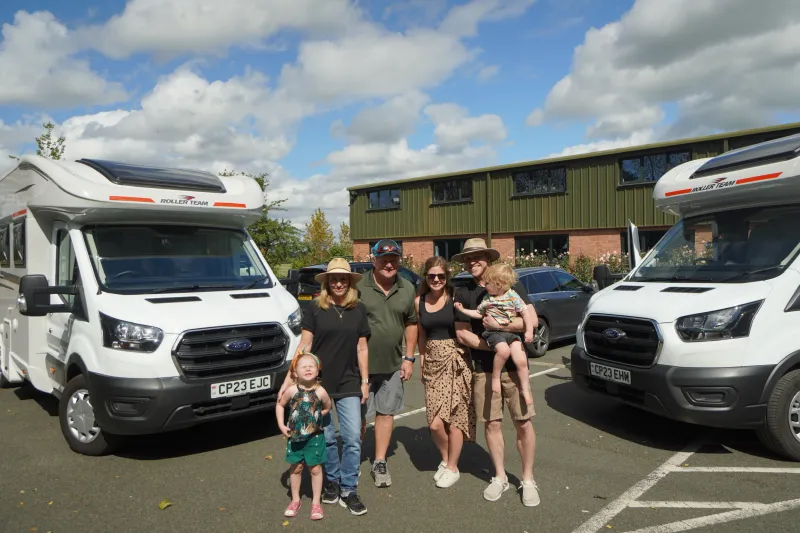
Renting an RV for a road trip abroad is an exciting way to explore new destinations while having the comforts of home on the go. Whether you’re planning to visit the rolling hills of Europe, the coastal highways of Australia, or the scenic national parks in the United States, an RV offers unparalleled flexibility and adventure. However, renting an RV abroad requires careful planning and consideration. Below are the essential steps to help you rent an RV and make the most of your road trip abroad.
1. Choose the Right Destination
Before even considering an RV rental, it’s crucial to choose a destination that’s RV-friendly. Many countries, particularly those in Europe, North America, and parts of Australia and New Zealand, offer excellent infrastructure for road trips. Research road conditions, available campsites, and popular RV routes in your chosen destination. Some countries are more suited for RV travel than others due to their network of well-maintained roads and established camping areas.
For instance, Europe has vast road networks and beautiful scenic drives such as the Alpine routes in Switzerland or the coastal routes in Spain. In contrast, countries like Japan might have more limited options when it comes to RV rentals and designated campsites. Therefore, understanding the road systems and RV facilities in your destination is the first step in ensuring a successful trip.
2. Research RV Rental Companies
Once you’ve chosen your destination, the next step is to find a reputable RV rental company. It’s important to select a company that offers high-quality vehicles, good customer service, and reliable support. A simple online search can help you identify well-known RV rental brands that operate in your chosen country.
Look for companies that have positive reviews, a variety of RV models, and transparent pricing. Major international brands often provide the convenience of picking up and dropping off the RV at different locations, while local companies might offer more personalized service and possibly better rates. Compare the options based on vehicle age, amenities, insurance coverage, and additional fees, such as mileage charges or one-way rental fees.
3. Select the Ideal RV for Your Needs
When choosing an RV, size and comfort are paramount. Consider the number of people traveling and how much space you’ll need. If you’re traveling with family or a group of friends, a larger RV may be necessary to ensure everyone is comfortable. Smaller RVs may be more appropriate for couples or solo travelers, as they are easier to maneuver and park.
It’s also important to think about the amenities offered. Most modern RVs come with kitchenettes, bathrooms, and sleeping areas, but the quality of these features can vary. Look for an RV that meets your specific needs, whether you require a full kitchen for cooking meals or a spacious bathroom for long trips. If you’re planning on doing a lot of sightseeing, consider an RV with large windows or panoramic views.
4. Check License and Driving Requirements
Before renting an RV abroad, ensure you meet the driving license requirements of the country you’re visiting. Most countries require travelers to have a valid driver’s license, but some might ask for an International Driving Permit (IDP) in addition to your home license. An IDP is a translation of your original driving license and is recognized by most countries.
Also, keep in mind that driving an RV requires a specific skill set. Depending on the country and the size of the RV, you may need a special license if the vehicle exceeds a certain weight. If you’re not familiar with driving large vehicles, consider taking a driving test or course to gain confidence.
5. Understand Insurance Options
Insurance is one of the most important aspects when renting an RV abroad. Most RV rental companies will offer basic insurance packages, but it’s essential to understand what’s covered and what isn’t. Basic coverage often includes liability and damage protection for the vehicle, but it might not cover personal belongings or accidents that occur outside the vehicle.
To ensure you’re adequately protected, consider purchasing additional coverage. Some rental companies offer comprehensive packages that include theft, breakdowns, and personal injury protection. It’s also worth checking if your travel insurance covers RV rentals or if you need to take out a separate policy. Always read the fine print and ask the rental company about any exclusions or limitations.
6. Plan Your Route and Book Campsites
One of the advantages of traveling in an RV is the ability to stop and stay wherever you like, but it’s still essential to plan your route and book campsites in advance, especially during peak travel seasons. Many popular tourist destinations, such as national parks or coastal areas, can get crowded, so securing a spot in advance will give you peace of mind.
Use apps and websites that provide information on campgrounds, including reviews, amenities, and availability. Some campgrounds require reservations, while others offer first-come, first-served sites. Also, check if there are restrictions on RV sizes or if certain areas have limitations for motorhomes.
7. Familiarize Yourself with RV Maintenance and Operation
Before hitting the road, take the time to familiarize yourself with the RV’s operation and basic maintenance. The rental company should provide a thorough orientation, explaining how to use the vehicle’s various systems, such as water, electricity, and waste disposal.
It’s essential to know how to operate the RV’s engine, change gears (if driving a manual), and safely park or level the vehicle. Additionally, make sure you understand the procedures for emptying the wastewater tank and refilling the fresh water supply. This knowledge will ensure a smooth trip and avoid any potential issues on the road.
8. Be Prepared for Unexpected Situations
While an RV road trip can be an incredible experience, it’s important to be prepared for the unexpected. Weather conditions, road closures, or mechanical issues can disrupt your plans. Ensure you have an emergency kit on board, including spare tires, basic tools, and first aid supplies.
Know how to contact the rental company for assistance if needed, and always have a backup plan. Having access to reliable maps, GPS, and phone numbers for roadside assistance will make handling unexpected situations easier.
9. Enjoy the Experience
Finally, the most important part of renting an RV for a road trip abroad is to enjoy the experience. Take time to appreciate the freedom that comes with traveling in an RV. Stop at scenic viewpoints, explore off-the-beaten-path destinations, and enjoy the comforts of your mobile home.
An RV road trip offers flexibility, adventure, and the chance to experience a destination in a more intimate way. By planning ahead, choosing the right RV, and understanding your responsibilities as a driver, you can ensure that your trip is memorable and stress-free.
Embark on your road trip abroad with confidence and relish the opportunity to explore new places at your own pace, all from the comfort of your home on wheels.